

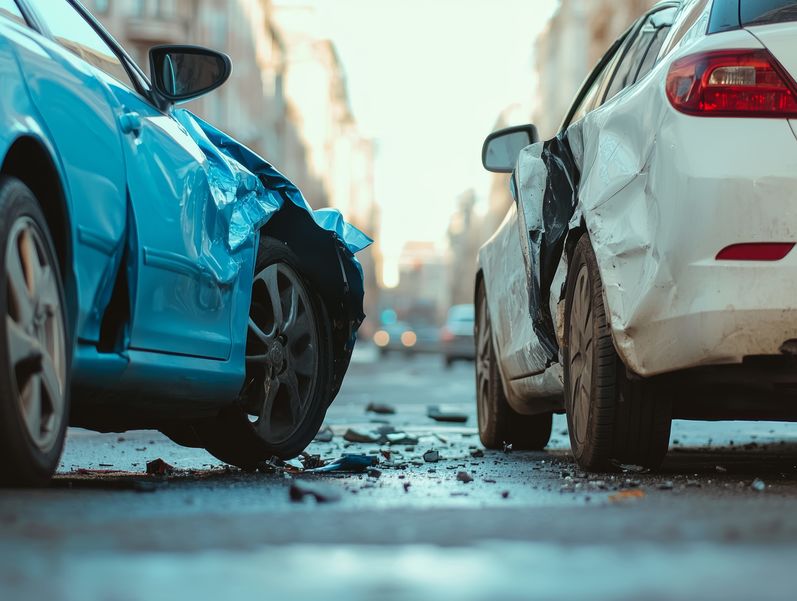
 After a car accident, the focus is often on safety, exchanging information, and getting traffic moving again. While those steps are important, what happens at the scene in those first few minutes can also affect how clearly the accident can be understood later. Physical evidence at a crash site does not last long, and once it is gone, it can be difficult to recreate exactly what was there.
Taking a few simple steps can help preserve important details before they change or disappear.
Take Photos From Multiple Angles
Photos are one of the easiest ways to document a crash scene. Try to capture images from different positions to show the full layout of the area. This includes the location of the vehicles, damage, debris, skid marks, and any nearby features like signs, intersections, or road markings.
Wide shots can show how everything is positioned, while close-ups can capture specific details. Lighting conditions can change quickly, so taking photos early can help preserve the scene as it looked at the time. You also need to notate your photographs as soon after the event as possible, so that when you are asked questions about them 6 months or more later, you can clearly state what each photograph is depicting.
Important Note: Photos are a great starting point, but they do not always capture the full spatial details of a crash scene. In more complex situations, point cloud models can provide a more complete and measurable record.
Note Roadway and Weather Conditions
Road conditions can play a significant role in the occurrence of an accident. If it is safe to do so, take note of anything that may have affected traction or visibility. This could include wet pavement, snow or ice, standing water, or debris on the road.
Weather conditions such as rain, fog, or sunlight glare can also affect visibility. These factors may not be as obvious later, especially once conditions change.
Record Vehicle Positions Before They Are Moved
Vehicles are often moved quickly after an accident to clear traffic. Before that happens, try to document where they came to rest. Photos or notes showing the position of each vehicle relative to the road, lanes, and surrounding features can be helpful.
Even small details, such as how close a vehicle was to a curb or lane marking, can provide useful context.
Look for Temporary Evidence
Some of the most important details at a crash scene are also the easiest to lose. Skid marks, fluid spills, and scattered debris can be cleared or fade quickly. Snow, rain, or traffic can change the scene in a matter of minutes.
Capturing these details early can help preserve information that may not be available later.
Be Aware That the Scene Will Change
Crash scenes are temporary. Emergency responders arrive, vehicles are towed, and debris is removed. Road conditions may also shift due to weather or traffic. Once this happens, it becomes much harder to piece together what the scene originally looked like.
Because of this, early documentation is often the most reliable.
Protecting Evidence Can Help Clarify What Happened
The moments after a car accident can be overwhelming, but preserving key details can help you understand what happened. Photos, notes, and observations of road and environmental conditions can help capture information before they change.
If you need a more complete and accurate way to document a crash scene, 4N6XPRT Systems is here to help. We offer advanced point cloud models and forensic car accident reconstruction software that provide valuable insights into what happened at the scene. Our tools help preserve detailed scene information that can be used for court, insurance, or technical analysis. Browse our online FAQ and give us a call at (619)464-3478 to learn more about how we can help you better understand what happened after a car accident.