

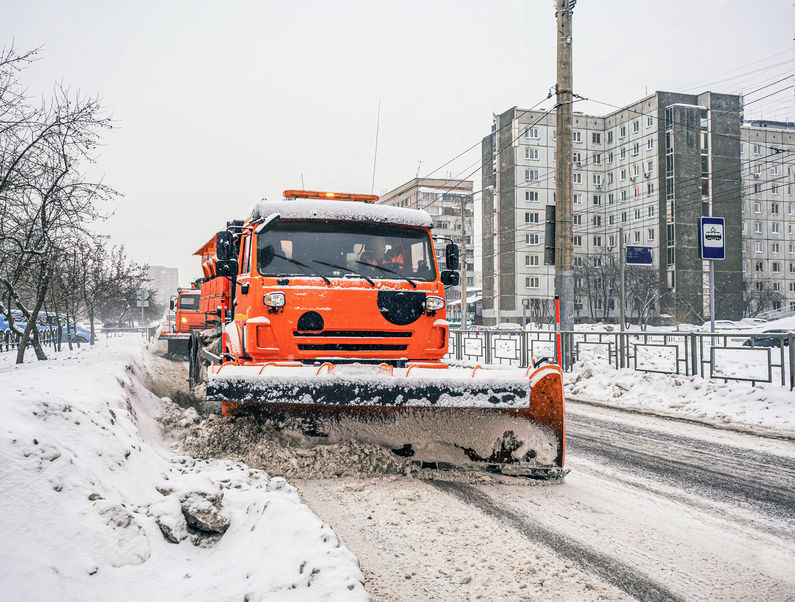
 When winter storms hit, snowplows are quick to clear the roads so traffic can keep moving. While plowing improves traction and helps restore visibility, it can also create new hazards that are not always obvious to drivers. Even after a roadway appears clear, the snow pushed aside can affect how safe it really is.
Understanding how plowed snow changes road conditions helps explain why winter crashes can still happen even after crews have done their job.
Snowbanks Can Block Important Sight Lines
One of the biggest issues caused by plowing is the buildup of snowbanks along the edges of the road. These piles of snow can limit visibility at intersections, driveways, and curves. When snowbanks grow tall enough, they can block a driver’s view of cross traffic, pedestrians, or approaching vehicles.
This can be especially dangerous at side streets or parking lot entrances where drivers rely on clear sight lines to judge when it is safe to enter traffic. Even a small snowbank in the wrong place can make it harder to see what is coming.
Meltwater and Refreezing Ice
Plowed snow often contains moisture that melts during the day when temperatures rise, or the sun comes out. As the temperature drops again, that meltwater can refreeze into thin layers of ice along the roadway. These icy patches tend to form near the edges of the road or in shaded areas.
Because this ice can be clear and difficult to see, drivers may not realize they are on a slick surface until braking or steering becomes harder than expected.
Narrower Lanes and Shoulders
As snow is pushed to the sides of the road, the usable width of travel lanes and shoulders can shrink. This leaves less room for vehicles to pass safely or recover if they drift slightly. On two-lane roads or in areas with heavy snowfall, this narrowing can be significant.
Reduced shoulders also limit safe places for drivers to pull over, which can create additional risks when a vehicle needs to stop due to mechanical issues or other problems.
Hidden Road Features
Snowbanks can hide curbs, medians, guardrails, and even parked vehicles. These hidden features may not be obvious to a driver, especially at night or in poor visibility. If a vehicle slides or drifts off the cleared path, contact with a hidden object can cause damage or lead to a loss of control.
Snow can also cover uneven pavement, potholes, or changes in the road surface, which can affect how a vehicle handles.
Road Conditions Continue to Change
Even after plowing, winter roads are constantly changing. Traffic, sunlight, and temperature swings all affect how snow and ice behave. Areas that seem safe earlier in the day can become hazardous later as melting and refreezing take place.
When Winter Road Conditions Play a Role in a Crash
Plowed snow helps keep roads open in winter, but it can also introduce new hazards that affect visibility, traction, and driving space. Snowbanks, hidden ice, and narrowed lanes can all contribute to how a crash occurs. If you ever find yourself dealing with the aftermath of an accident in winter conditions, it is important to understand what really happened. Here at 4N6XPRT Systems, we have sophisticated tools, including forensic car accident reconstruction software and point cloud models, that can provide valuable insights. Our software is highly accurate, giving you the information you need for court, insurance, or other purposes. Give us a call at (619)464-3478 to learn more about how we can help today.